Water in the Home? Start Here
Finding water where it does not belong is a sinking feeling. A pipe may have burst inside a wall. A summer storm may have pushed water past a window well. The sump pump may have quit during a spring thaw. Whatever the cause, you need a clear next step.
Comeimproving Restoration is a referral service for homeowners in Milwaukee, Wisconsin and the Greater Milwaukee area. We connect you with independent local providers who handle emergency water damage repair, water extraction, structural drying and flooded basement cleanup. We do not do the work ourselves. The provider you choose does.
This site is built around one idea: hire with confidence. You will find the questions worth asking, what a solid answer sounds like, and the red flags that should make you pause.
Request a callback to check provider availability for your situation. Many providers can respond quickly, though hours vary from one provider to the next.
Not ready to talk? You can describe what you see and request an estimate instead. There is no obligation, and you stay in charge of every decision.
How It Works
How a referral works
You tell us what happened. It might be a leaking water heater, a soaked carpet, or an inch of water on the basement floor. Comeimproving Restoration passes your request to an independent provider in our network who serves your part of the Greater Milwaukee area. The provider contacts you, looks at the damage, and gives you a written quote. Then you decide whether to hire them. We are not a contractor, and we do not perform repairs.
What providers in our network handle
- Water Damage Restoration: the full process, from stopping the spread to drying, cleaning and getting the space ready for repairs.
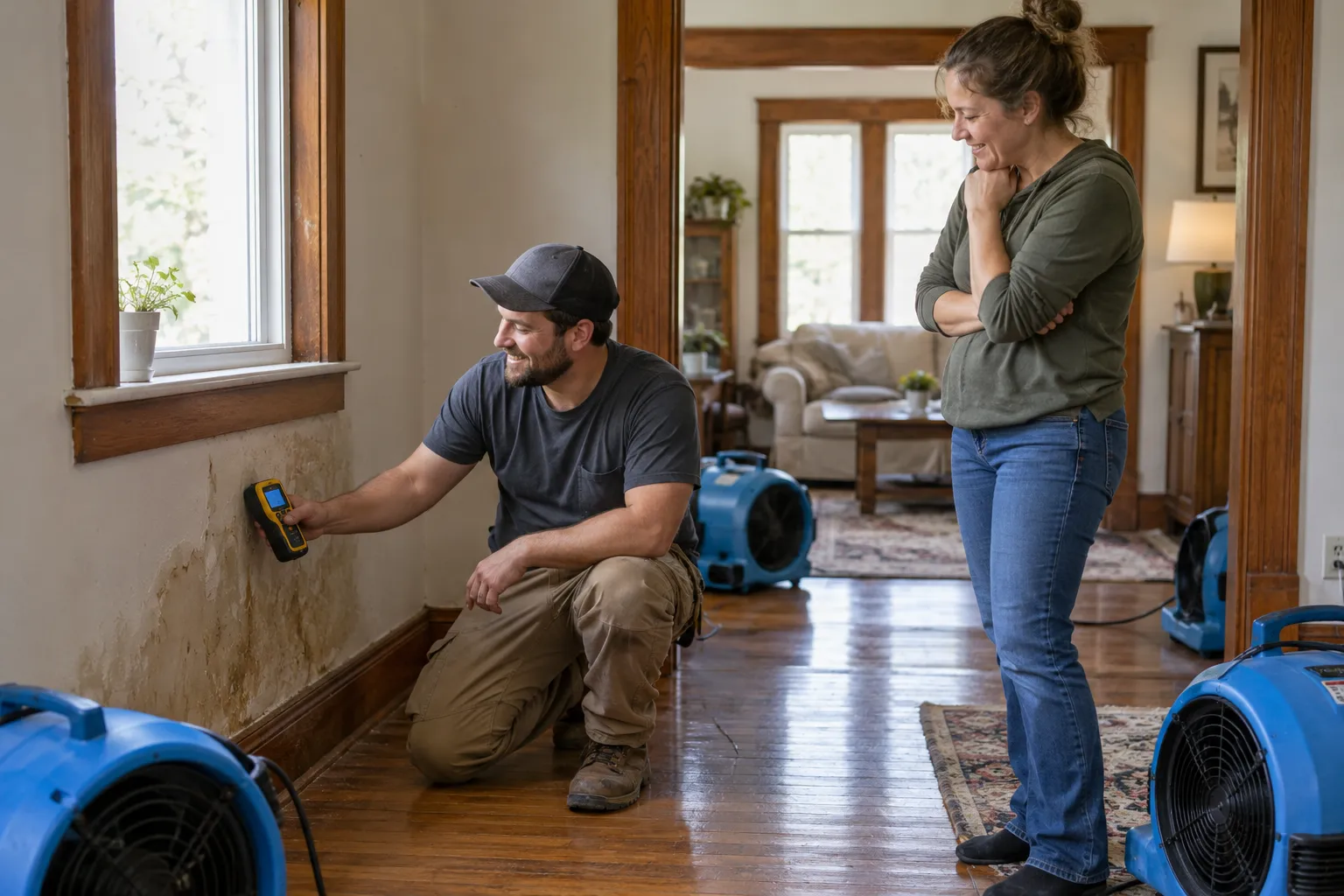
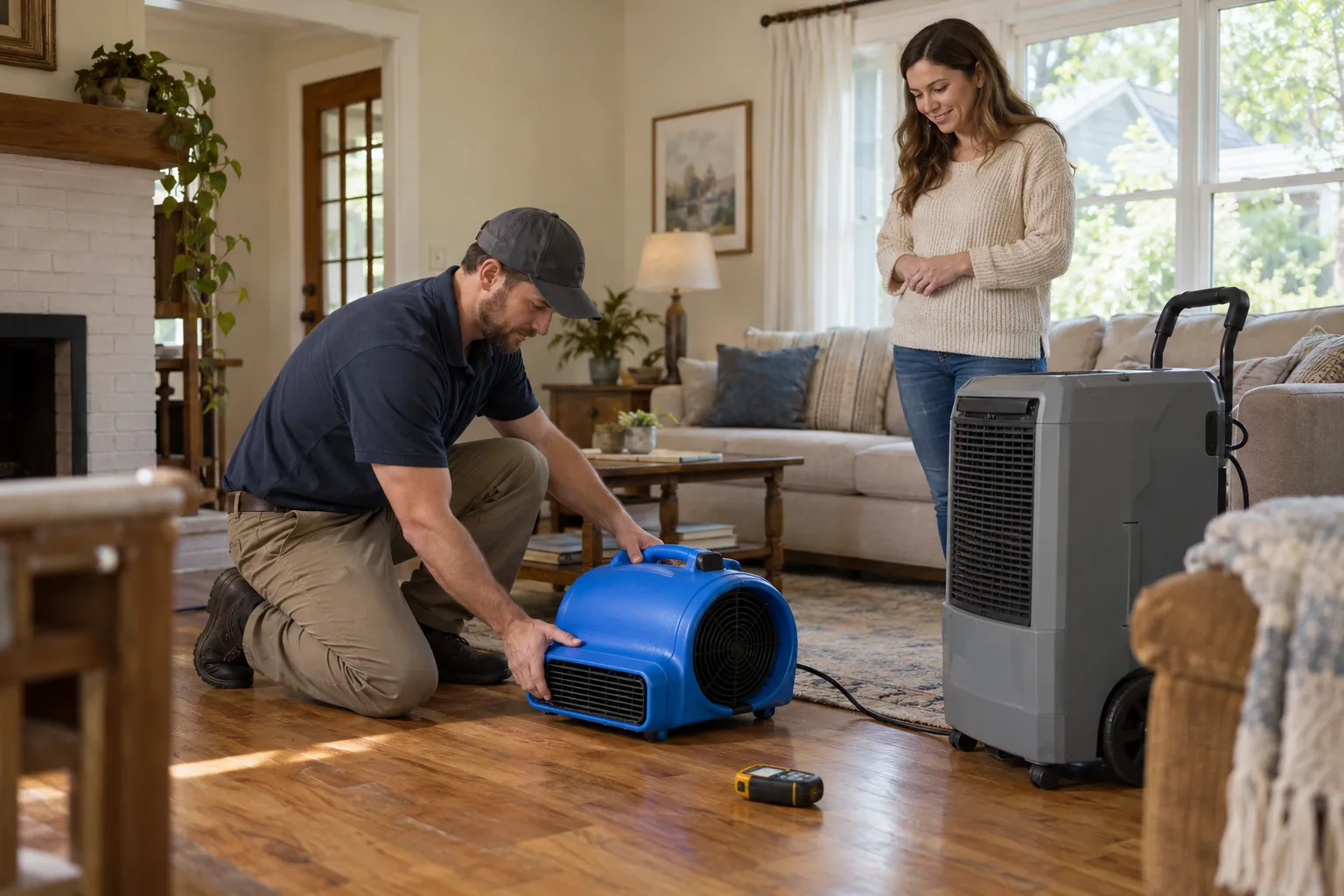
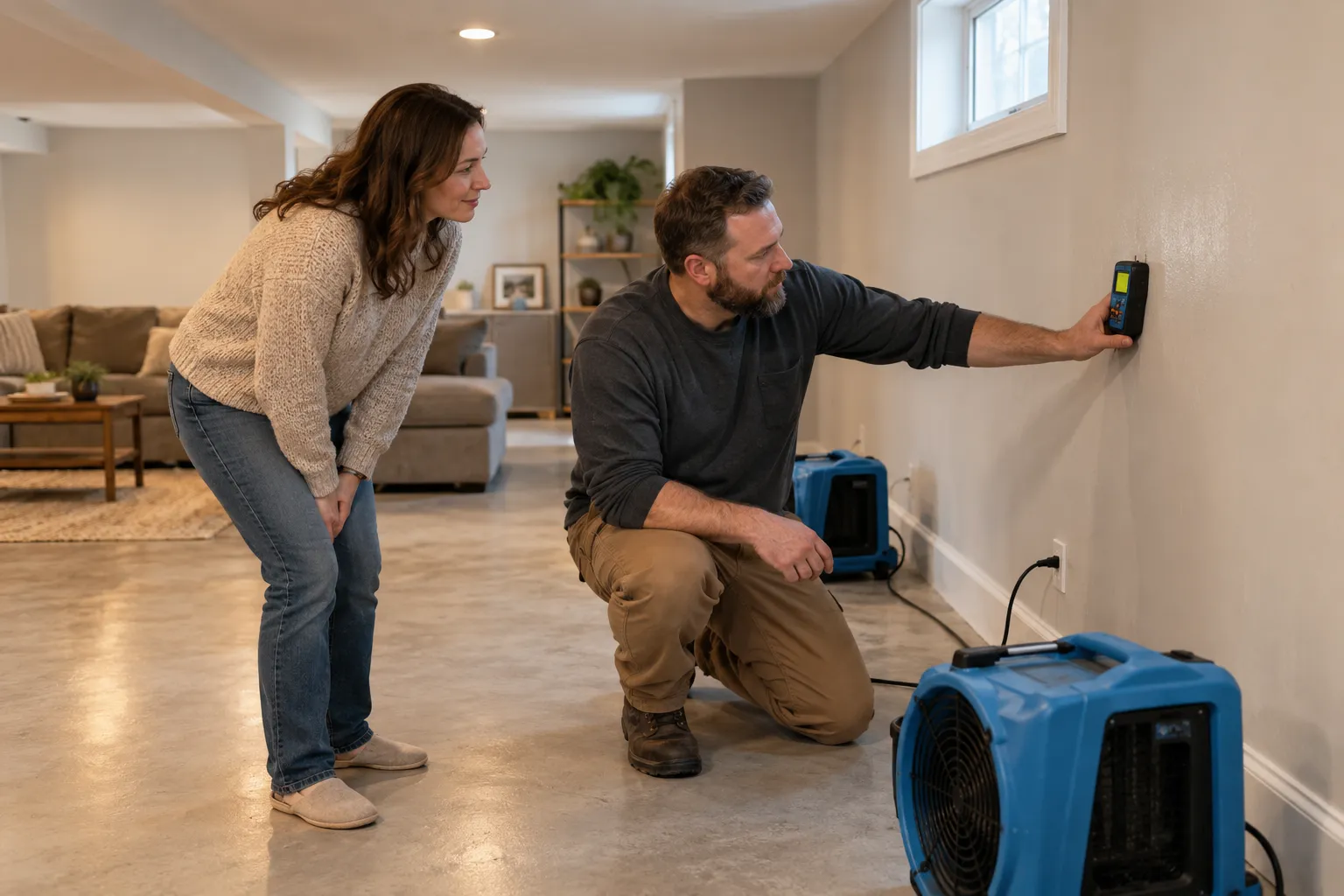
- Water Extraction and Structural Drying: pumps, vacuums, air movers and dehumidifiers that pull moisture out of floors, walls and framing.
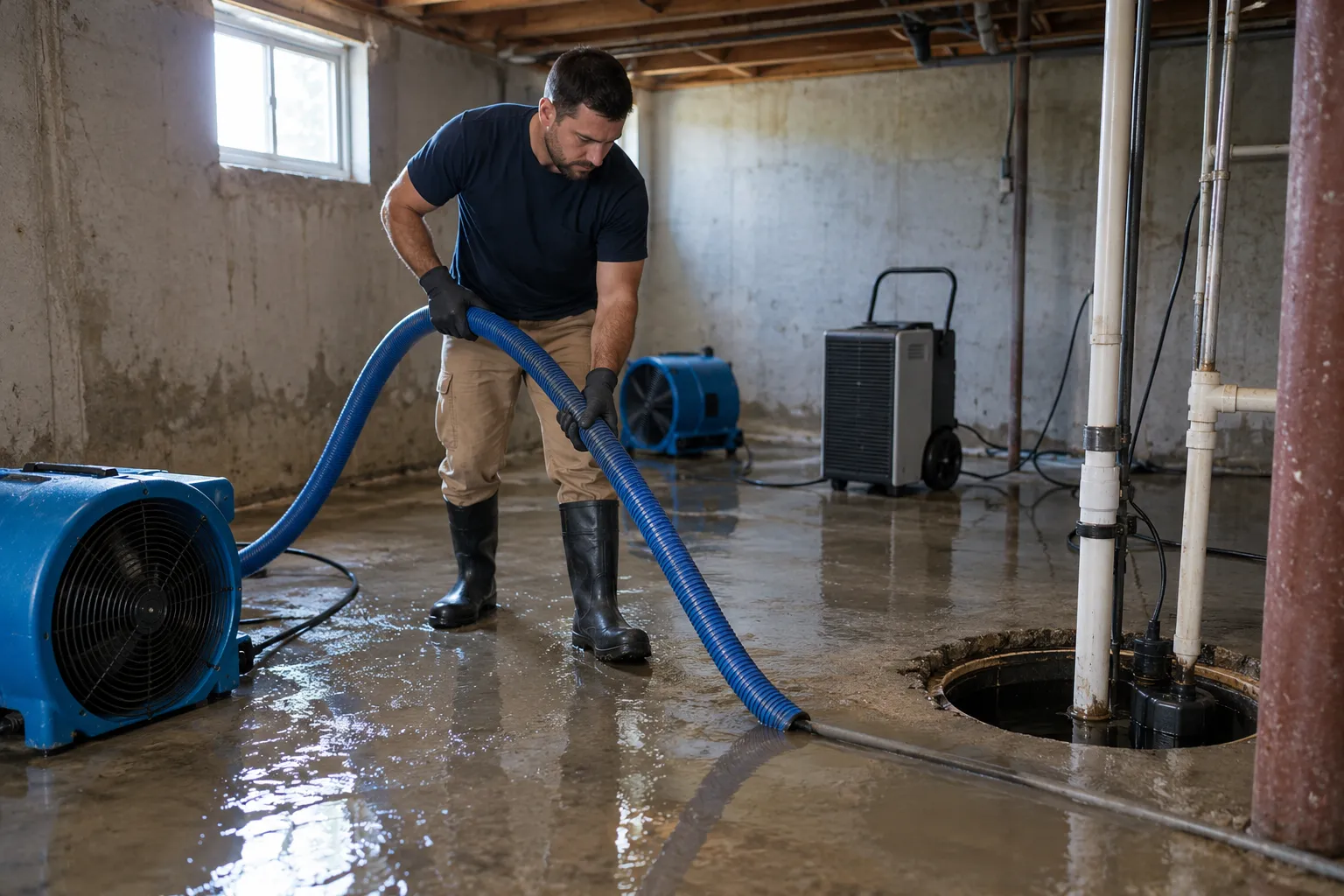
- Flooded Basement Cleanup: removing standing water, soaked materials and silt, then cleaning and sanitizing the space.
Why we lean on questions
Most hiring regrets start with a rushed decision. A stressed homeowner says yes to the first voice on the phone. We would rather you pause for a couple of minutes and ask a few things. Does the provider explain the drying plan? Will they record moisture readings? Is the quote in writing? Clear answers are a good sign. Vague ones deserve a second look.
Spotting trouble early helps too. A musty smell, a stain that keeps growing, or paint that bubbles can all mean moisture is hiding somewhere. Acting while the problem is small often keeps the repair smaller.
Serving Homes Across the Greater Milwaukee area
Comeimproving Restoration connects homeowners in Milwaukee and the surrounding communities across the Greater Milwaukee area. Homes here vary a lot. Many are frame houses that have stood for decades. Others are bungalows and ranch homes with full basements and a sump pump humming in the corner.
The weather keeps everyone on their toes. Cold winters with deep frost can crack pipes and shift foundations. Hot, humid summers bring severe thunderstorms and hail that can damage roofs and gutters. Spring thaw and flooding test nearly every basement in the neighborhood.
Because the providers in our network work locally, they tend to know these patterns. They understand what a wet spring does to an older foundation and how July humidity can slow drying.
Not sure your street is covered? Send the request anyway and we will tell you whether a provider is available near you. You can also request a callback to ask about coverage in your town.
Hire With Confidence, Act Early
Water and the seasons
In a region with frosty winters, humid summers and stormy springs, water finds a way in. Frozen pipes split in January. Hail damages a roof in June. Snowmelt pushes against foundation walls in April. Knowing the pattern helps you watch the right spots at the right time.
Early signs worth a look
Small clues often show up first. Watch for a musty smell, peeling paint, warped baseboards, ceiling stains that spread, or a damp spot on the basement wall. A sump pump that runs more than usual is also a hint. Mold can start on wet material within a couple of days, so do not wait for a stain to get large.
Questions to ask any provider
Ask how they will find where the water went. Ask what equipment they use, how long drying usually takes, and whether they record moisture readings. Ask who does the work and whether the quote is written.
What a good answer sounds like
A solid provider explains the plan in plain words. They describe the steps, name what could change the price, and welcome your questions. They also tell you honestly if a job is bigger than expected.
Red flags to watch for
Be careful with anyone who pressures you to sign right away, will not put a quote in writing, asks for the full payment up front, or says everything must be torn out without checking for moisture first.
Smart first steps while you wait
If it is safe, stop the water at the source and turn off power to wet areas. Move small items out of the way. Take photos and short videos of the damage. Stay out of standing water near outlets or appliances.
Insurance and paperwork
Some policies may cover sudden damage, such as a burst pipe, while others treat flooding differently. Check your policy and ask your insurer. Providers can often help document damage for a claim, so keep every photo, note and receipt.
Thinking about cost
Typical U.S. jobs range from a few hundred dollars for a small, caught-early leak to several thousand for larger flooding. Costs vary by size, materials and how long the area stayed wet. Always get a written quote before work begins.
Ready When You Are
Water damage is stressful, but you do not have to sort it out alone. Request a callback to check provider availability, or send a short request describing what you see. Mention where the water is and when it started. A local provider can then reach out with next steps and a written quote.